A space where every child feels safe, supported, and understood
At Opya Care, we know that the right environment can make all the difference for young children on the autism spectrum. Whether you’re setting up a play area at home, preparing a classroom, or planning a community outing, an autism-friendly space doesn’t need to be expensive or complicated. It’s about small, thoughtful changes that reduce overwhelm and help children feel calm, confident, and ready to learn and grow.
Many children with autism find bright lights, loud noises, unclear expectations, or sudden changes highly stressful. By creating predictability and support, you can lower anxiety, encourage participation, and set the stage for meaningful progress—especially during the critical early intervention years (18 months to 6 years) that Opya Care specializes in.
Here are practical, evidence-based strategies you can start using today.
Why an Autism-Friendly Space Matters for Young Children
An autism-friendly space isn’t just “nice to have”—it directly supports emotional regulation, communication, and skill-building. When a child feels safe and understood, they’re more likely to engage in therapy, play, and learning activities. These simple adjustments benefit every child in the space, not only those on the autism spectrum. Parents and educators often notice fewer meltdowns, more independence, and stronger connections once these supports are in place.
Start with Predictability to Reduce Anxiety
Children on the autism spectrum often thrive when they know exactly what to expect. Uncertainty can feel overwhelming, so building predictability into daily life is one of the most powerful tools you have.
Practical tips:
- Post a simple visual schedule on the wall or fridge so your child can see the flow of the day at a glance.
- Give gentle 5- or 2-minute transition warnings (“In two minutes we’ll clean up toys and have snack”).
- Keep routines as consistent as possible—same order for morning, bedtime, or therapy sessions.
These small steps help children feel more in control and ready to participate, which is especially helpful during early intervention when building new skills is the focus.
Use Visual Supports for Clarity and Independence
Many children process visual information more easily than spoken words alone. Visual supports give clear, concrete information that reduces frustration and promotes independence.
Easy visual tools to try:
- Picture schedules showing the steps of an activity
- Labeled storage bins and areas (“Toys,” “Books,” “Sensory bin”)
- First/then boards (“First work, then iPad”)
- Visual timers that show time passing in a way kids can understand
These supports are quick to create with free printables or simple photos from your phone. They empower children to navigate their environment with confidence—key for school readiness and everyday success.
Support Sensory Needs to Help Children Regulate
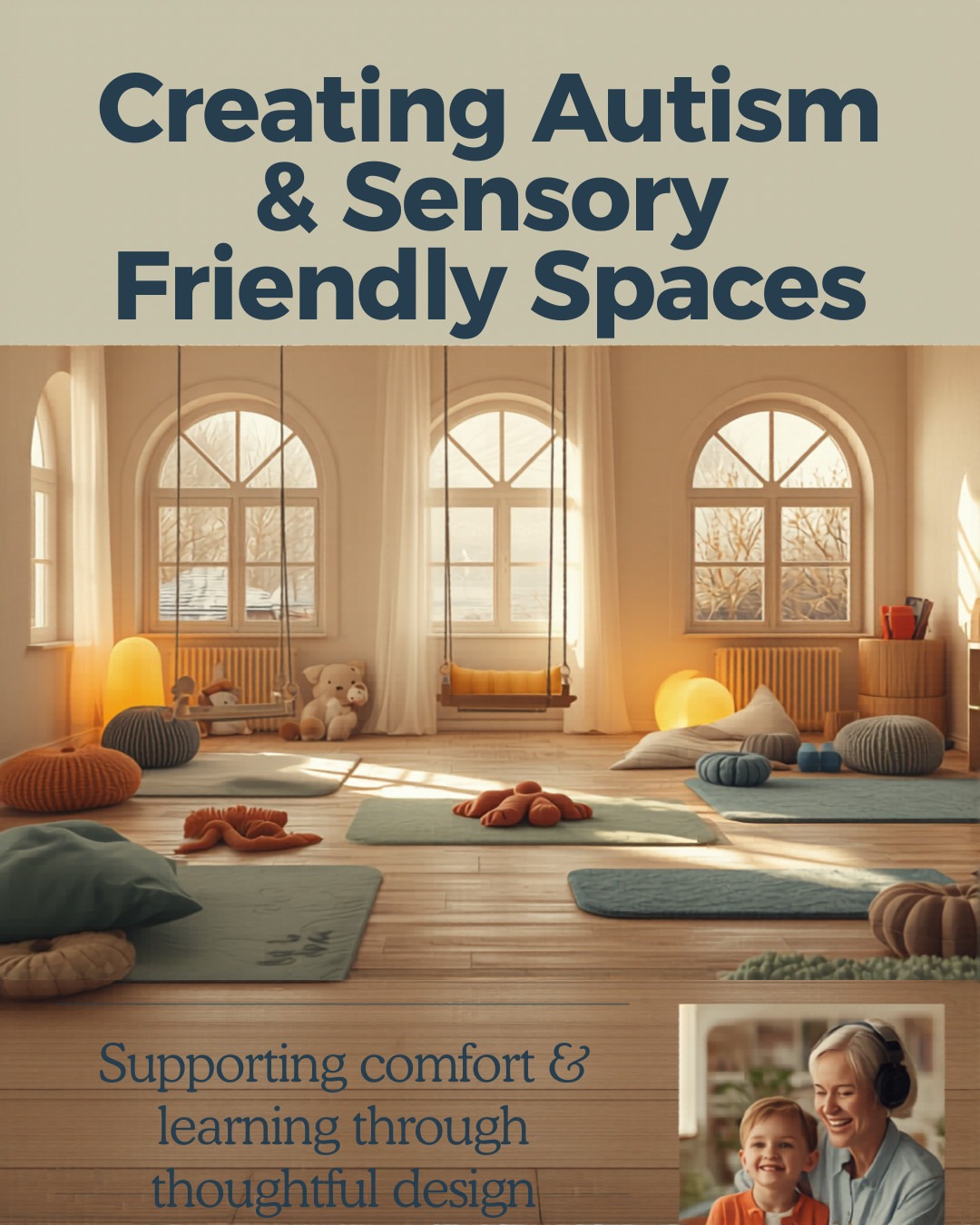
Classrooms, homes, and community spaces can quickly become overstimulating. Creating sensory-friendly zones gives children a way to reset and refocus.
Simple sensory adjustments:
- Designate a calm corner with soft lighting, cushions, and favorite calming items
- Reduce visual clutter by using neutral storage bins
- Offer flexible seating options like wiggle cushions or standing desks
- Keep noise-reducing headphones or fidget tools easily accessible
Remember: these supports often help all children stay regulated and focused, making your space more inclusive for everyone.
Honor All Forms of Communication
Every child communicates in their own unique way. Creating space for different communication styles builds confidence and inclusion.
How to support communication:
- Accept and respond to gestures, pictures, signs, or speech equally
- Incorporate AAC (augmentative and alternative communication) devices or picture exchange systems if your child uses them
- Model simple language paired with visuals during play and routines
When children know their voice—whatever form it takes—will be heard, they’re more willing to engage and connect.
Lead with Strengths to Build Confidence and Success
The most important part of any autism-friendly space is focusing on what each child can do. Strengths-based support helps children feel capable and motivated.
Strengths-focused strategies:
- Notice and celebrate small wins throughout the day
- Build activities around your child’s interests and talents
- Pair new challenges with familiar, successful tasks
When we highlight strengths and provide the right supports, children are far more likely to try new things, connect with others, and make meaningful progress.
How Opya Care Supports Autism-Friendly Environments
At Opya Care, our in-home ABA, speech, and occupational therapy programs are designed to work seamlessly with the environments families already have. Our therapists collaborate with parents to create personalized autism-friendly spaces that reinforce skills learned in sessions and help children generalize those skills at home and school. Whether your child is newly diagnosed or preparing for kindergarten, we’re here to help you build the supportive foundation they need to thrive.
Ready to create an autism-friendly space that truly supports your child’s growth? Our team of early intervention experts in Northern and Southern California is ready to partner with you every step of the way.
Contact Opya Care today to learn more about our individualized autism therapy programs and how we can help your family build a space where your child can flourish.