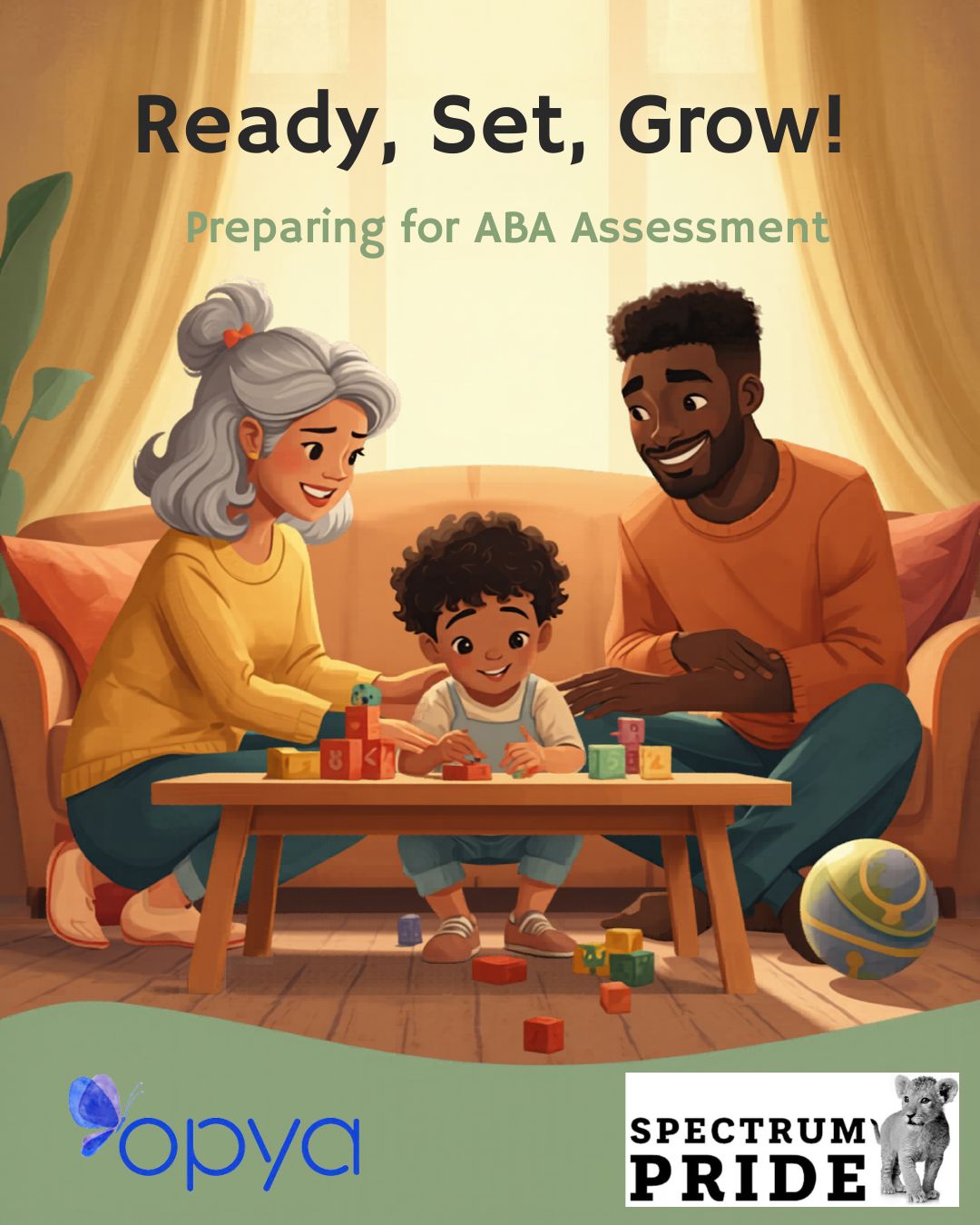
If your child has recently been diagnosed with Autism Spectrum Disorder (ASD), you may be exploring Applied Behavior Analysis (ABA therapy) as a next step. At Opya Care, we understand that this process can feel overwhelming—but preparing for your child’s ABA assessment doesn’t have to be.
This guide will help you understand how to prepare for an ABA assessment, what to expect, and how to make the most of your child’s in-home ABA therapy journey.
What Is an ABA Assessment?
An ABA assessment is the first step in creating a personalized therapy plan tailored to your child’s unique needs. Conducted by a Board Certified Behavior Analyst (BCBA), this evaluation examines your child’s:
- Communication skills
- Social interactions
- Behavioral patterns
- Strengths and developmental needs
At Opya Care, our ABA assessments are family-centered and designed to support meaningful, real-life progress both at home and in the community.
Why Preparing for an ABA Assessment Matters
Taking time to prepare for an ABA assessment helps your BCBA gain a complete understanding of your child. This leads to:
- More accurate and effective therapy goals
- Faster progress in ABA therapy
- A smoother, more positive experience for your child and family
Preparation ensures your child’s therapy plan reflects real-life needs—not just what’s observed during the assessment.
5 Tips to Prepare for Your Child’s ABA Assessment
1. Gather Medical and Therapy Records
Bring any relevant documents, including:
- Autism diagnosis reports
- Previous evaluations
- Individualized Education Programs (IEPs)
- Notes from therapists or teachers
These records provide important context about your child’s developmental history.
2. Track Daily Routines and Behaviors
Spend a few days observing and noting:
- Communication patterns
- Daily routines
- Behavioral challenges and triggers
- Positive behaviors and successes
This real-world insight helps your BCBA design a more effective ABA treatment plan.
3. Identify Your Goals as a Parent
Think about what matters most for your child and family. Common goals include:
- Improving communication skills
- Reducing challenging behaviors
- Building social skills
- Increasing independence in daily living
Your priorities play a key role in shaping your child’s early intervention autism services.
4. Create a Comfortable Environment
If your ABA assessment takes place at home:
- Choose a time when your child is well-rested
- Have favorite toys or activities available
- Keep the environment calm and familiar
A comfortable setting helps your child feel safe and engaged during the assessment.
5. Be Open and Honest
Your BCBA will ask detailed questions about your child’s development and behavior. Sharing openly—both strengths and challenges—ensures your child receives the most effective support possible.
What to Expect During an Opya ABA Assessment
During the assessment, your BCBA will use a combination of:
- Play-based interactions
- Structured activities
- Observation of behavior and communication
These methods help evaluate your child’s abilities in a natural, low-pressure way.
At Opya Care, we prioritize a positive experience for your child while gathering meaningful insights. We also collaborate closely with parents—because your involvement is essential to your child’s success in ABA therapy.
Supporting Your Child’s Success Starts Here
Preparing for an ABA assessment is an important first step toward helping your child thrive. With thoughtful preparation and a trusted partner like Opya Care, you can feel confident as you begin your child’s autism therapy journey.
If you’re ready to get started with personalized, in-home ABA therapy, Opya Care is here to support your family every step of the way.