Positive Reinforcement: What It Is, Why It Works, and How to Use It Naturally
Parents, caregivers, and educators are constantly looking for effective ways to encourage positive behavior and help children build important life skills. One of the most research-backed and widely used approaches is positive reinforcement.
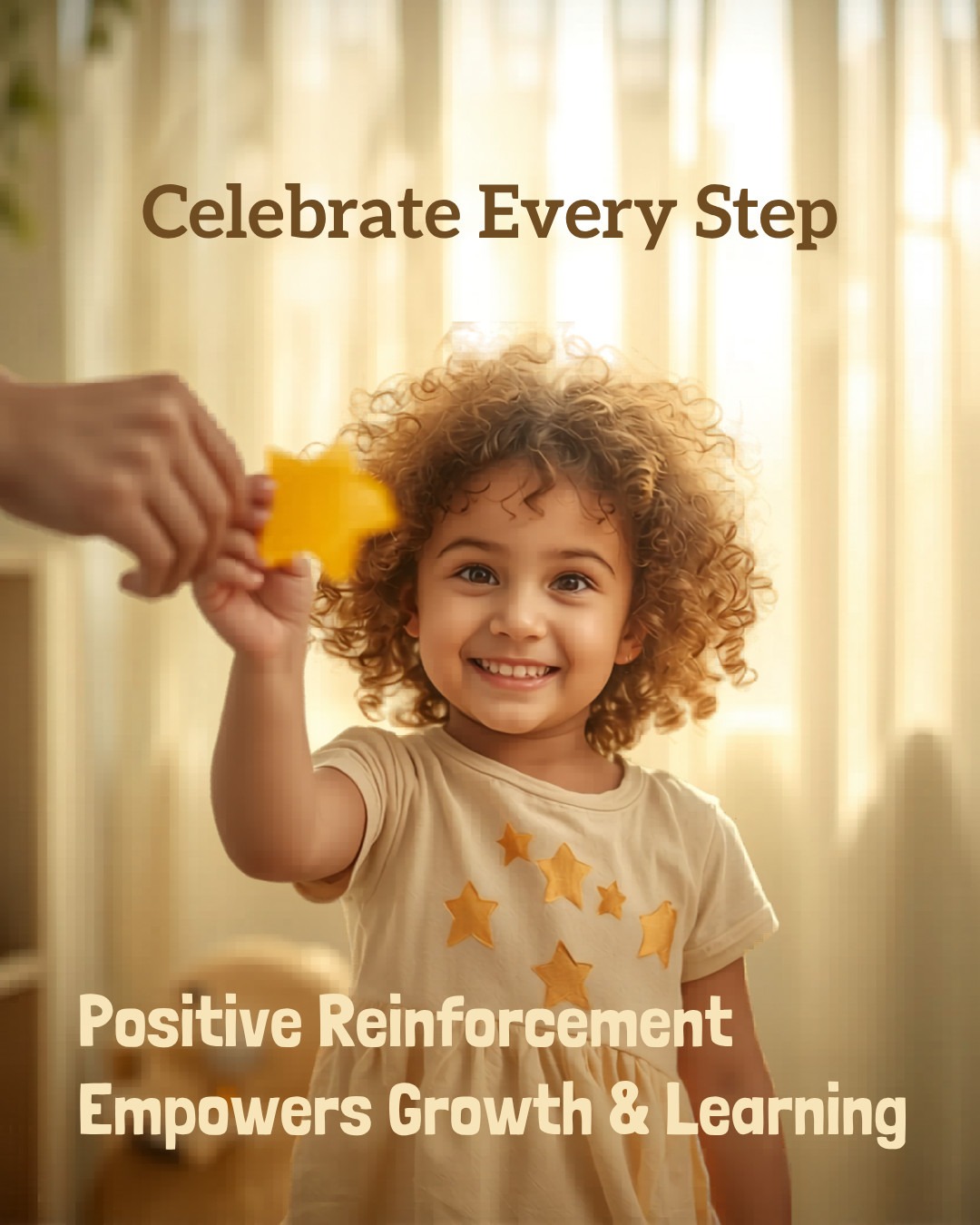
Positive reinforcement supports learning by encouraging behaviors we want to see more often — through connection, encouragement, and meaningful outcomes rather than punishment or criticism.
For children of all abilities, including children with autism, positive reinforcement can play an important role in supporting communication, emotional regulation, independence, and confidence.
What Is Positive Reinforcement?
Positive reinforcement happens when something meaningful or encouraging occurs after a behavior, making that behavior more likely to happen again in the future.
In simple terms:
- A child uses calm words and receives praise
- A child follows directions and earns extra playtime
- A child asks for help appropriately and gets immediate support
The reinforcement can be many things:
- praise
- attention
- encouragement
- access to a favorite activity
- recognition of effort or success
Importantly, reinforcement looks different for every child. What feels motivating or rewarding to one child may not be meaningful to another.
Why Positive Reinforcement Works
Children naturally repeat behaviors that lead to positive outcomes. When a child experiences success, connection, or encouragement after a behavior, the brain begins to associate that behavior with something positive.
Positive reinforcement works because it:
- teaches children what behaviors are helpful and effective
- increases motivation and confidence
- supports emotional regulation and communication
- strengthens relationships between children and caregivers
- creates more positive learning environments
Instead of focusing only on correcting behavior, positive reinforcement helps children learn what to do instead.
What Positive Reinforcement Looks Like in Everyday Life
Many people assume reinforcement means rewards or prizes, but some of the most effective reinforcement happens naturally throughout daily routines.
Examples include:
- specific praise (“I love how patiently you waited.”)
- smiles and enthusiasm
- high fives or hugs
- celebrating effort
- giving positive attention
- recognizing small successes
Simple, meaningful encouragement often has a powerful impact.
How Parents Can Use Positive Reinforcement Naturally
Positive reinforcement does not need to feel scripted or complicated. Small, consistent moments of encouragement can make a big difference over time.
Notice Positive Behaviors
Children often receive attention when something goes wrong. Try intentionally noticing behaviors you want to encourage, such as:
- sharing
- asking for help
- transitioning calmly
- following routines
- trying something difficult
Use Specific Praise
Instead of saying “good job,” describe exactly what your child did well.
For example:
- “You did a great job cleaning up your toys.”
- “I love how calmly you asked for help.”
- “You kept trying even when it was hard.”
Specific praise helps children understand which behaviors are being encouraged.
Reinforce Progress, Not Perfection
Learning new skills takes time. Recognizing small improvements helps build confidence and keeps children motivated.
Progress may look like:
- calming down more quickly
- attempting a new skill
- using words instead of frustration
- completing part of a difficult task
Every step forward matters.
Positive Reinforcement and Autism Support
Positive reinforcement is commonly used in evidence-based autism therapy, including Applied Behavior Analysis (ABA). When used thoughtfully and ethically, it can help children develop meaningful skills while building confidence and independence.
Positive reinforcement can support:
- communication development
- social interaction
- emotional regulation
- daily living skills
- flexibility and coping skills
At Opya Care, we believe every child deserves support that is compassionate, individualized, and focused on meaningful progress for the entire family.
Final Thoughts
Positive reinforcement is not about rewarding children for every action or ignoring challenges altogether. It is about creating supportive environments where children feel encouraged, successful, and motivated to learn.
When families consistently recognize effort, progress, and positive behavior, children are more likely to build confidence, strengthen skills, and experience success both at home and in everyday life.