By: Opya Registered Behavior Technician
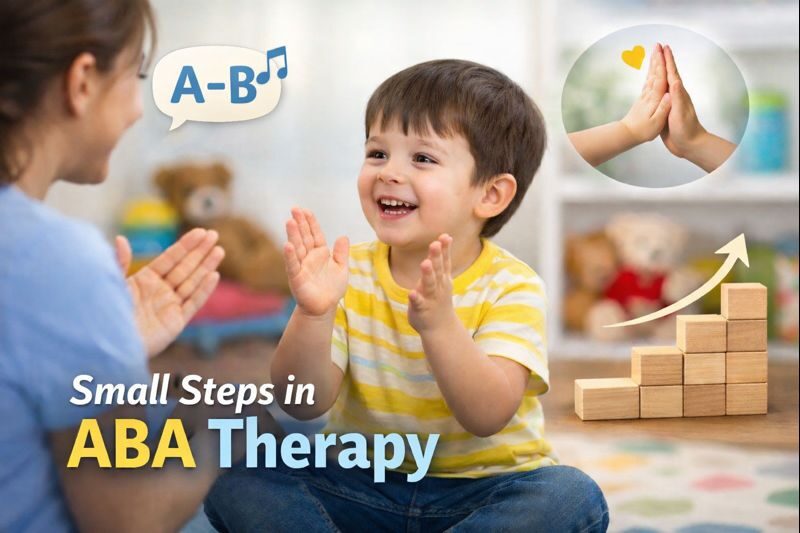
At Opya, we specialize in early intervention autism therapy, delivering personalized Applied Behavior Analysis (ABA) therapy to children as young as 18 months. Our approach focuses on breaking down skills into manageable, small steps—building communication, social interaction, and independence one achievement at a time. This philosophy comes to life every day in our sessions, and one client’s journey has been particularly inspiring.
How Does ABA Therapy Help Non-Verbal Children Communicate?
Since starting with Opya, one of the most meaningful experiences in my work as a Registered Behavior Technician (RBT) has been supporting a little boy I’ll call “G” (to protect his privacy). I first met him in March, when he was completely non-verbal. He relied on gestures—like pulling my hand toward what he wanted—or meaningful looks, hoping I’d understand his needs.
Building Trust Through Play and Tiny Wins
Watching “G” grow over the months has been incredibly rewarding. From the beginning, my focus was on building a strong relationship: getting him comfortable, joining in his play, and celebrating every tiny success. This foundation of trust is key in ABA therapy, as it creates a safe space for learning and exploration.
The Emergence of Vocal Sounds and First Requests
Slowly, “G” began exploring vocal sounds. At first, these were simple—vowels, gentle hums, or excited squeals when something delighted him. Each sound was a victory, a sign that his voice was emerging. We reinforced these moments with positive encouragement, helping him associate vocalizing with joy and connection.
Today, “G” is starting to use his voice to make requests. Hearing him attempt new sounds, imitate simple words, and advocate for himself—even in the smallest ways—reminds me daily why I love this work.
Why Do Small Steps Create the Biggest Breakthroughs in ABA Therapy?
His progress in communication didn’t happen overnight. It came through consistency, patience, and the power of small steps: a shared glance, a new vocalization, or a bold request he was once too shy to try.
This journey underscores what makes ABA therapy so effective for children with autism, especially those who are non-verbal. Research and countless families’ experiences show that early intervention, with its emphasis on incremental progress, can lead to significant breakthroughs in communication and self-expression.
How Can Patience and Consistency Transform Progress for Children with Autism?
I’m so proud of how far “G” has come, and I’m grateful for the opportunity to support him and his family as they grow at their own pace. Experiences like this reinforce why I chose this field—these amazing kids teach me just as much as I teach them, every single day.
At Opya, we’re committed to bringing hope home through in-home and clinic-based ABA therapy, complemented by speech and occupational therapy when needed. If you’re navigating an autism diagnosis and seeking early intervention, we’re here to help your child take those important small steps toward a brighter future.
Ready to learn more about how Opya can support your child’s progress? Contact us today for a complimentary consultation.