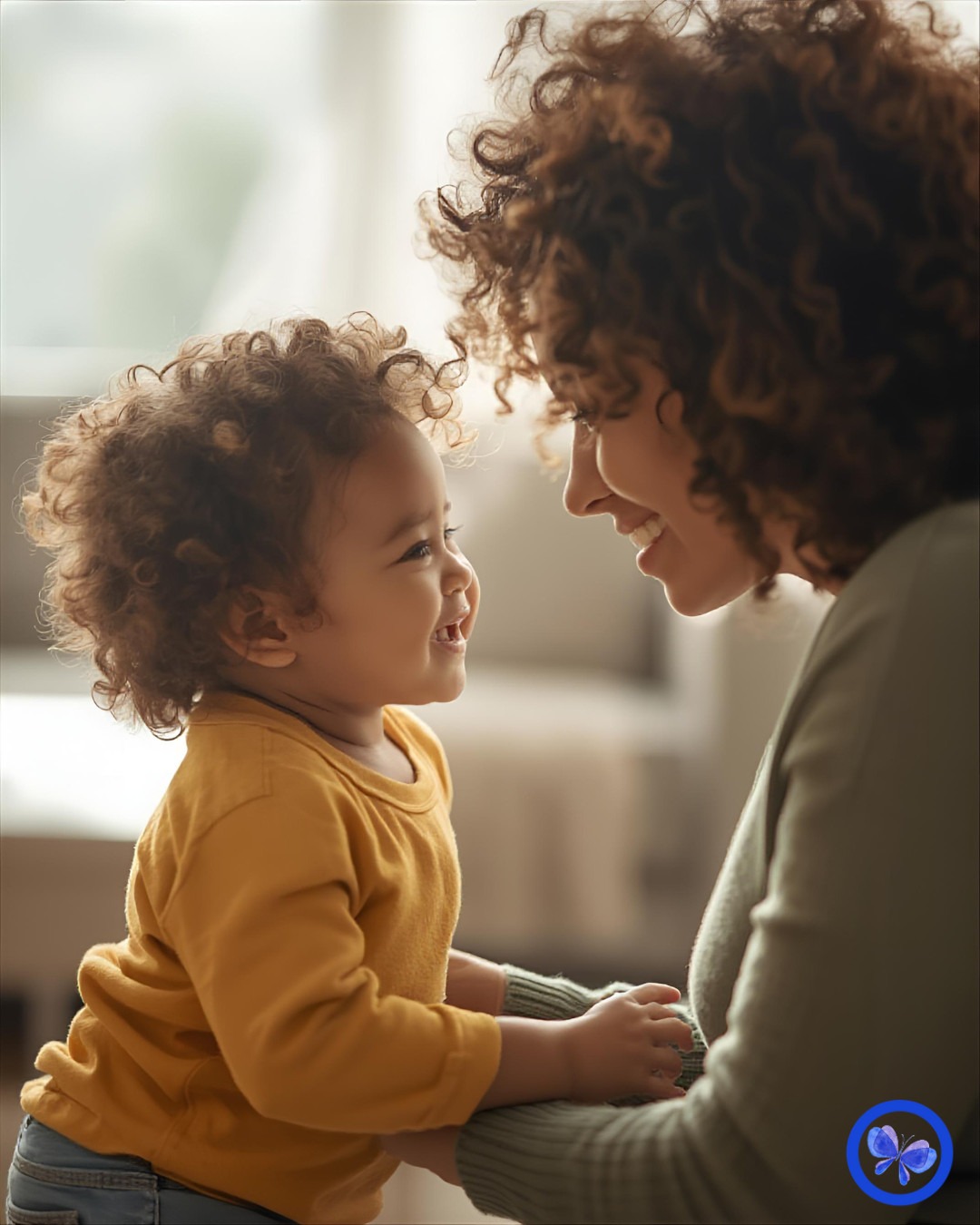
Communication is the bridge that connects toddlers to their world and loved ones. From those adorable first babbles and gestures to forming words and sharing joyful moments, every step in communication development is built on everyday interactions filled with love and patience. At Opya Care, we understand that supporting communication development in toddlers doesn’t require fancy tools or rigid schedules—it’s about those small, meaningful moments that make a big difference.
As experts in early childhood development, particularly for children with autism and related needs, we empower families to play a central role in nurturing these skills. Whether your toddler is hitting milestones effortlessly or needs a little extra encouragement, these gentle strategies can help foster strong communication at home. Let’s explore how you can support communication development in toddlers through simple, pressure-free approaches.
Start With Connection: The Foundation of Communication
Before any words emerge, connection is key. Toddlers thrive when they feel secure, valued, and understood, which lays the groundwork for effective communication.
- Get on your child’s eye level to create a sense of closeness and engagement.
- Follow their interests during playtime, letting them guide the activity.
- Respond warmly to every sound, gesture, or attempt at interaction—this reinforces that their efforts matter.
By building this trust, you’re teaching your toddler that communication is a two-way street, encouraging them to express themselves more confidently.
Talk Throughout the Day: Weave Language into Routines
You don’t need dedicated lessons to support communication development in toddlers—your daily life is a natural classroom. Narrating everyday activities exposes your child to language in context, helping them grasp how words connect to the world around them.
- Describe actions as they happen: “We’re putting on your shoes—left foot, right foot!”
- Label items and movements simply: “Look, the dog is running!”
- Keep your language clear and concise to make it easier for them to absorb.
Repetition is a powerful tool here; hearing words in familiar settings helps toddlers internalize vocabulary and sentence structure over time.
Pause and Give Them Time: Encourage Independent Responses
In our fast-paced world, it’s easy to fill silences, but giving your toddler space is crucial for their growth. Pausing after speaking invites them to participate, boosting their initiative in communication.
- After posing a question like “What do you want?”, count to five silently.
- Maintain an expectant, encouraging gaze.
- Accept any response—be it a sound, point, or word—as a valid contribution.
Celebrating these moments, no matter how small, builds their confidence and motivates further attempts.
Use Gestures and Visuals: Beyond Spoken Words
Communication isn’t limited to speech; gestures and visuals are essential building blocks, especially for toddlers who may develop verbal skills later.
- Promote actions like pointing to request items or waving hello/goodbye.
- Combine words with movements, such as clapping while saying “Yay!”
- Exaggerate facial expressions to convey emotions like happiness or surprise.
These non-verbal cues often precede words and are vital for overall language development, making interactions more accessible and fun.
Read, Sing, and Play Together: Fun Ways to Build Skills
Interactive activities are some of the most enjoyable ways to support communication development in toddlers. They enhance listening, expand vocabulary, and teach turn-taking—all while creating cherished memories.
- Choose books with bright, repetitive illustrations to hold their attention.
- Sing nursery rhymes with hand motions, like “Wheels on the Bus.”
- Engage in simple games, such as passing a toy back and forth.
These play-based methods not only strengthen bonds but also lay a solid foundation for social and educational readiness.
Expand What Your Toddler Says: Model Richer Language
When your child makes an effort to communicate, seize the opportunity to gently elaborate. This technique, known as expansion, shows them how to add detail without overwhelming them.
- If they say “Ball,” respond with “Yes, the big blue ball is bouncing high!”
- Mirror their excitement to keep the interaction positive.
By honoring their input and building on it, you’re modeling advanced language in a natural, supportive way.
Celebrate All Communication: Foster Confidence
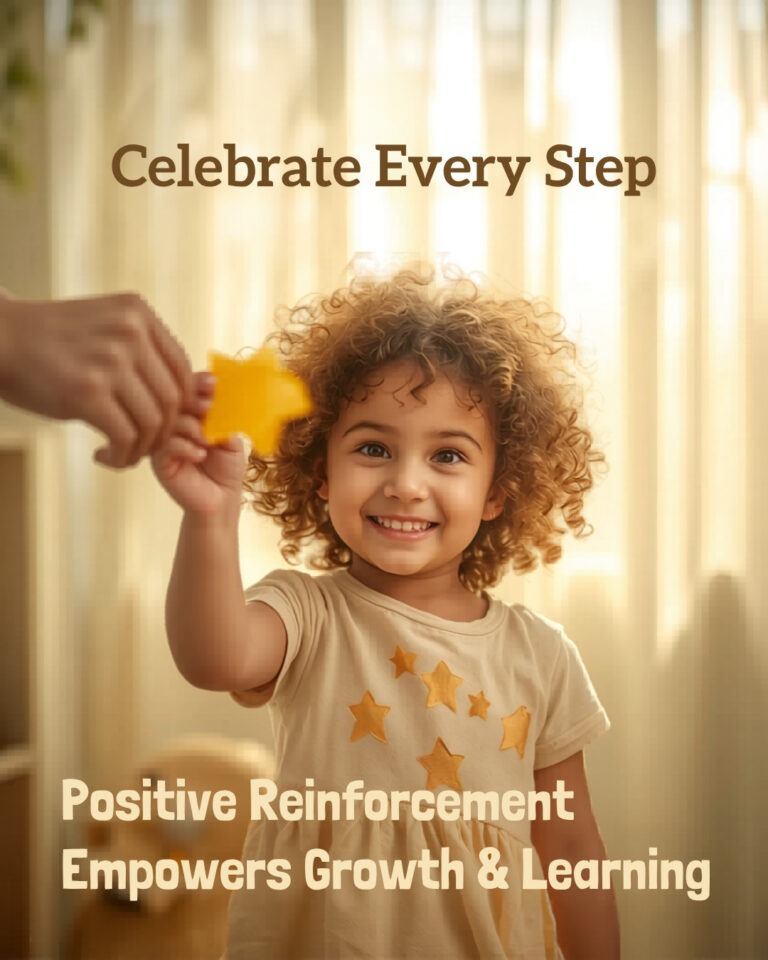
Every form of expression deserves recognition—whether it’s a grunt, a sign, or a full sentence. Positive reinforcement is key to encouraging ongoing progress.
- Show enthusiasm: “Great job telling me what you need!”
- Praise the effort, not just the outcome: “I love how you tried that.”
- Steer clear of corrections that might discourage them.
This approach helps toddlers feel successful, which is essential for sustained motivation in communication development.
When to Seek Extra Support: Recognizing Signs
While every child progresses uniquely, early intervention can make a world of difference if challenges arise. Keep an eye out for:
- Few sounds, gestures, or words by certain ages.
- Struggles with understanding basic instructions.
- Regression in skills they once had.
- Frequent frustration from unmet communication needs.
If these resonate, consulting professionals like those at Opya Care can offer tailored guidance and reassurance.
You’re Doing More Than You Think: Embrace the Journey
Remember, supporting communication development in toddlers is woven into your daily love and care—hugs, giggles, and shared routines are the real magic. You don’t need expertise; your presence is the greatest gift.
At Opya Care, we’re here to partner with families, delivering compassionate, play-based autism therapy that highlights each child’s strengths. Ready to learn more? Reach out today at (888) 300-6992 or email [email protected]. Together, we can nurture your toddler’s voice and watch them flourish.